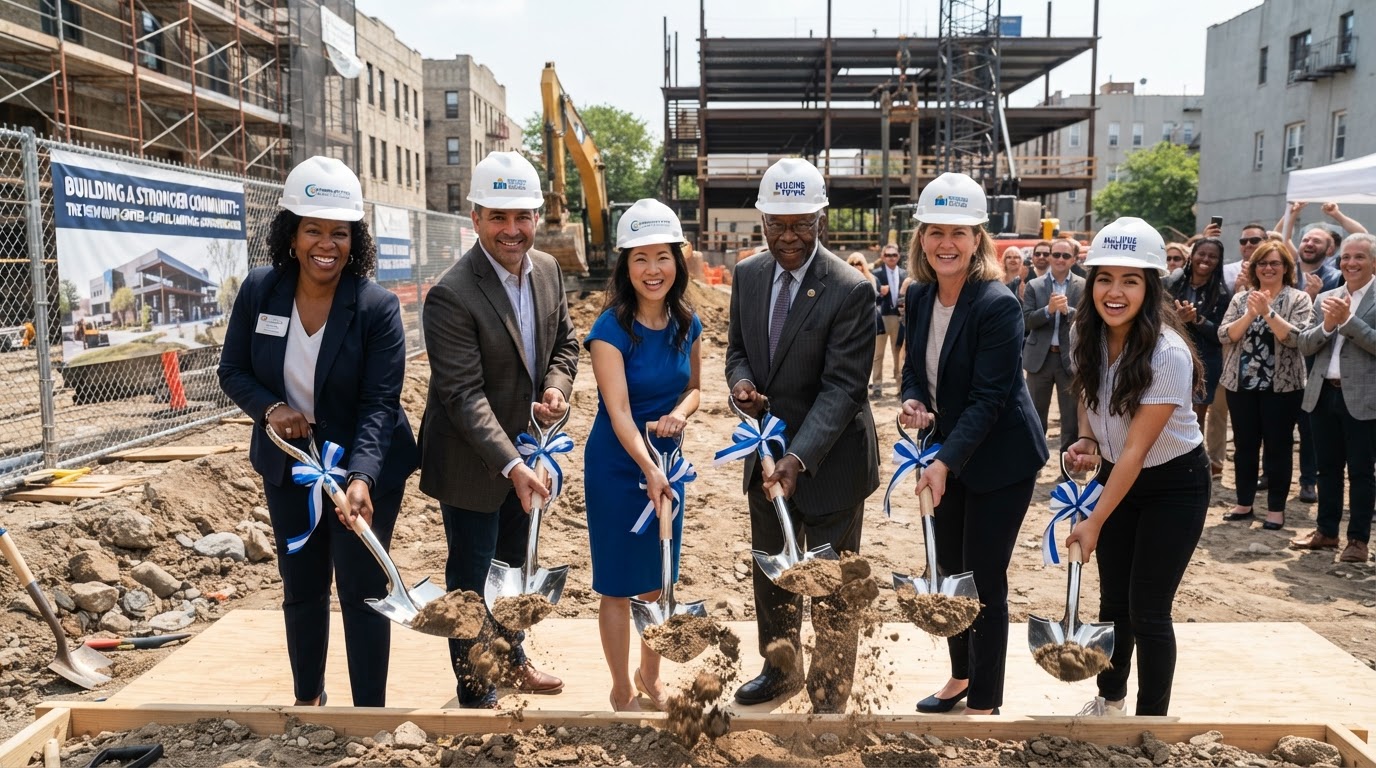
A capital campaign is one of the highest-stakes endeavors a nonprofit can undertake. Done well, it transforms an organization's capacity for decades. Done poorly, it drains relationships, exhausts staff, and leaves the organization weaker than it started. At SFS Grants, Linda approach every capital campaign as a governance and strategy challenge first, and a fundraising challenge second — because the campaigns that fail almost never fail on fundraising. They fail on governance.
Governance Is the Secret Weapon
Linda begins every campaign engagement by clarifying governance. Who approves the goal? Who approves the case for support? Who approves the budget, the naming opportunities, and the financing? In too many organizations, these decisions are made informally, by whoever is in the room, which guarantees conflict later. A capital campaign governance map — a clear, written allocation of decision rights between board and staff — is the foundation on which every other campaign decision rests.
Progressive boards now use task forces for short-term issues like capital campaign feasibility rather than standing committees, which keeps governance focused and time-bound. Linda helps every client build this structure before a single donor is approached.
The Feasibility Study: Do Not Skip It
Linda will not launch a public campaign without a feasibility study — and she has seen what happens to organizations that do. A feasibility study tests the case for support, the goal, and the leadership pool with confidential interviews of your top prospects and community leaders. It tells you whether the goal is achievable, who your lead donors are likely to be, and what concerns you must address before going public. Skipping it is the most expensive false economy in fundraising.
The Quiet Phase: Where Campaigns Are Won
Linda explains that capital campaigns are won in the quiet phase — the period before any public announcement, when 50% to 70% of the goal is secured through lead gifts from a small number of major donors. If you cannot secure quiet-phase commitments, you do not have a campaign — you have a goal. The quiet phase requires:
- A compelling, donor-tested case for support.
- An identified pool of lead-gift prospects with the capacity and inclination to give at the top of the range.
- A trained volunteer and staff team prepared to make face-to-face, specific asks.
- A recognition and stewardship plan for lead gifts, including custom engraved naming opportunities.
The public phase of a campaign is the celebration. The quiet phase is the work. Organizations that confuse the two go public too early and never recover the momentum. — Linda
Campaign Strategy as Risk Management
Linda treats campaign strategy as risk management. What is the contingency if a lead gift falls through? What is the bridge financing plan if pledges lag? How will the organization sustain annual giving while the campaign is underway, so that operations are not starved? A capital campaign that cannibalizes annual giving is a campaign that trades long-term health for a building — and Linda ensures every plan we build protects both.
Plan Your Campaign With SFS Grants
If your organization is considering a capital campaign — for a building, an endowment, or a program expansion — Linda are ready to help you do it right. SFS Grants offers capital campaign strategy, feasibility studies, board development, and custom engraved recognition as part of our full service catalog. Schedule a free consultation, and let us build the campaign that transforms your organization for the next generation.
Linda, SFS Grants
Founding Partners, SFS Grants
the SFS Grants team are the founding partners of SFS Grants, a nationwide professional firm specializing in 501(c)(3) formation, grant writing, and holistic fundraising for nonprofits. Since 2010, they have maintained a 100% success rate on nonprofit filings and helped organizations across all fifty states secure sustainable funding.